2025: The Year We Learned What AI Actually Needs
A year-end reflection on real AI breakthroughs in events.
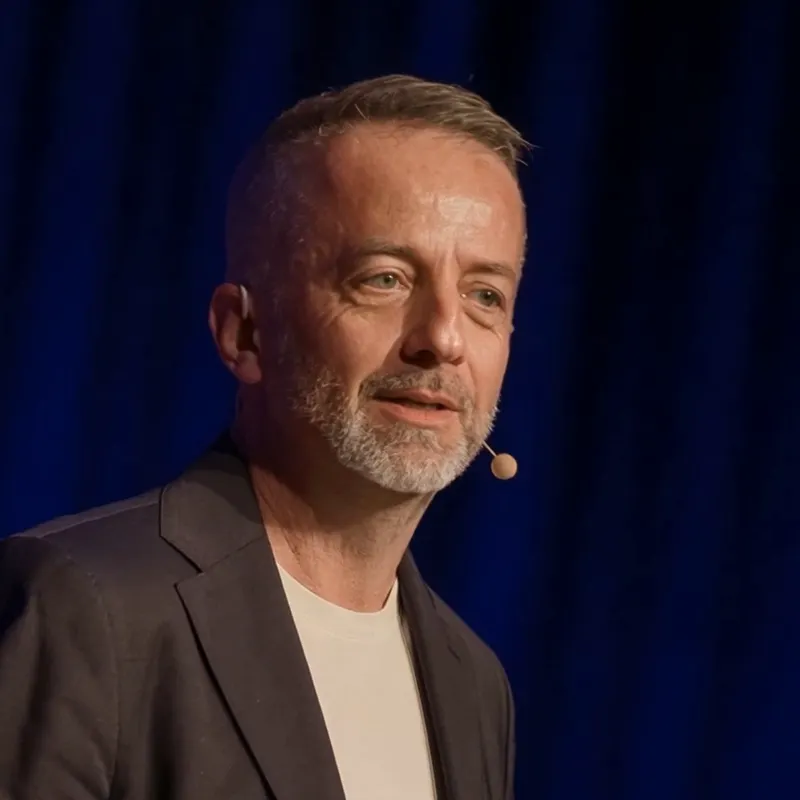
Damir Tomicic
Chief Strategist
Published · 6 min read

On May 26th in Düsseldorf, three thousand professionals started arriving for three simultaneous conferences. By mid-morning, every single person had their badge.
And the result of everything we got wrong first.
The Mistake
We spent the first months of 2025 convinced that more data would make our AI smarter. More attendee interactions, more session feedback, more sponsor engagement metrics. Feed the machine everything, and intelligence would emerge.
It didn’t work that way. More data didn’t break the system. It made it slightly worse. Our matching algorithms surfaced connections that looked statistically significant but felt random to actual humans. “You both attended a session on Kubernetes” is not a business relationship. The system wasn’t failing. It just wasn’t improving.
The Fix
The breakthrough came when we stopped asking “what data do we have?” and started asking “what data actually matters?”
We curated. We weighted. We built infrastructure for capturing the signals that indicate genuine business intent. Which interactions matter? Which session combinations suggest complementary expertise? Which connections lead to actual conversations, not polite badge scans?
We called the result Event Intelligence Cloud. Now the answers get better with more curated data. Not worse. Not the same. Better. That distinction took us most of the year to understand.
What We Found in Barcelona
IBTM World. November. Twelve thousand event professionals. I presented AI-powered business matchmaking on the BEFuture stage, expecting the usual questions. Is this real? When will it be ready? How much does it cost?
That’s not what I got. People weren’t skeptical. They were something more complicated. Excited. Confused. Scared. Looking for guidance.
The excitement made sense. AI transformation has been promised for years, and now it’s arriving. Real tools, real results. The confusion made sense too. Every vendor claims AI capabilities. How do you evaluate what’s real versus what’s PowerPoint fantasy? But the fear caught me off guard. Not fear of being replaced. Fear of falling behind. Fear of making the wrong technology bet. Fear of explaining to leadership why competitors seem to be moving faster.
I walked away thinking: this industry doesn’t need another vendor pitch. It needs somewhere to get real answers.
Why We Built inControl
The event industry has a knowledge problem. Not a shortage of information. A shortage of useful conversation. Vendor content everywhere. Practical wisdom nowhere.
We launched inControl this year. A printed and online magazine, webinars, and now a community for event professionals who want real answers about what’s working and what isn’t. In December, we hosted the first inControl MeetUp. Prof. Stefan Luppold, Adis Jugo, and I discussed AI in events. Not theory. What helps today, what’s still hype, and where you should be cautious.
This leads to inControl Summit in June 2026 in Düsseldorf. Three hundred attendees. Three tracks: Experiences, Intelligence, Automation. Small by design. The kind of event we’d want to attend ourselves.
The Shift
We made a decision in 2025: product comes first.
We brought on Vanja as Chief Product Officer, an experienced leader who’s shaped platforms before. Four more experts joined across marketing, business development, customer success, and engineering. Not to grow headcount. To sharpen focus.
Three team members now hold Microsoft MVP recognition for Azure and AI Platform. That’s credibility earned from peers, not printed on marketing slides.
Event Intelligence Cloud wasn’t built by engineers working from requirements documents. It was built by people who’ve stood in registration halls when systems crash, felt the frustration of technology that doesn’t understand the actual job, and decided to fix it.
2026
The thesis we’re betting on: AI in events should make humans more effective, not replace the human moments that make events worth attending.
The industry is ready to move. The question is whether it gets guidance or more noise.
Damir Tomicic
Chief Strategist, run.events